

Modern manufacturing supply chains continue expanding across regions, suppliers, and production networks. Managing ingredient risk has become increasingly important for protecting compliance and operational stability. Manufacturers face greater sourcing complexity as global supply channels continue evolving.
Food, pharmaceutical, cosmetic, and ingredient sectors depend on consistent supplier transparency. Organizations working with certification bodies such as Halal Transactions of Omaha often evaluate sourcing controls alongside broader quality management systems. Strong oversight helps reduce disruptions while supporting certification and compliance objectives.
Why Ingredient Risk Requires Greater Attention Across Supply Networks
Ingredient risk refers to factors that may affect sourcing reliability or compliance. Growing supply networks create additional oversight responsibilities for procurement and quality teams. Furthermore, international sourcing often introduces varying documentation practices across supplier relationships.
As supply chains become more interconnected, visibility tends to decrease across multiple tiers of suppliers. Research on supply chain traceability published in MDPI’s Sustainability journal highlights how stronger tracking systems improve transparency and help manufacturers respond more effectively to sourcing and compliance issues. In practice, this reflects how many organizations are rethinking how they verify ingredient information across global networks.
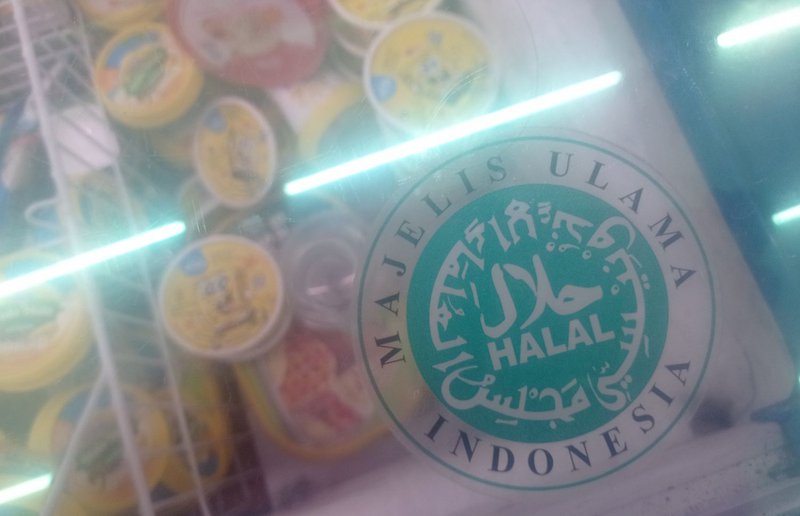
Manufacturers frequently source ingredients through multiple processors, distributors, and material suppliers internationally. Consequently, visibility may decrease as materials move through several supply chain stages. Detailed supplier reviews help reduce uncertainty surrounding ingredient origins and status.
Certification programs often require additional verification beyond traditional product specification reviews. Certain ingredients require confirmation regarding origins, processing methods, and supplier documentation. Therefore, ingredient evaluation supports stronger compliance management across certified production systems.
Understanding Ingredient Risk Within Complex Formulations
Modern formulations often contain numerous ingredients sourced from different production environments. Several materials may include carriers, stabilizers, preservatives, or processing aids. Processing aids are substances used during manufacturing that support production activities.
Ingredient risk increases when formulation details become difficult to verify consistently. Some materials contain secondary ingredients originating from separate supplier networks entirely. Technical reviews help establish greater visibility before production materials receive approval.
Documentation challenges sometimes emerge when suppliers modify formulations without immediate notification. Ingredient names may remain unchanged while composition details change significantly afterward. As a result, manufacturers benefit from structured processes supporting formulation transparency.
Research on halal supply chains highlights how traceability has become a practical requirement rather than a theoretical control. It refers to the ability to follow materials through sourcing, processing, and distribution stages in a clear and consistent way. When traceability is strong, manufacturers can confirm ingredient status with greater confidence and reduce uncertainty in compliance documentation across supplier networks.
Supplier Changes That Increase Ingredient Risk Exposure
Supplier relationships strongly influence consistency within certification and sourcing management programs. Procurement adjustments occasionally create compliance concerns extending beyond immediate purchasing decisions. Therefore, organizations routinely monitor supplier performance through structured review activities.
Several supplier-related conditions commonly require additional review before production approval:
- Changes involving raw material origins without updated specifications or supporting documentation.
- Reformulated ingredients containing newly introduced carriers, preservatives, or processing components.
- Expired certifications affecting supplier qualification status and approved sourcing records.
- Facility relocations influencing production controls, traceability practices, or documentation procedures.
- Distribution channel changes reducing visibility regarding ingredient handling and storage conditions.
Each condition may affect ingredient status within certification and compliance programs. Ongoing supplier communication therefore supports stronger transparency across sourcing activities. Consistent reviews also help maintain alignment with documented compliance expectations.
Supplier oversight remains particularly important within Halal-certified manufacturing environments and programs. Seemingly minor sourcing changes may affect approval status for specific ingredients. Early communication helps manufacturers address concerns before production schedules become affected.
Documentation and Traceability Systems Supporting Verification
Effective verification programs rely upon accurate documentation throughout sourcing and manufacturing activities. Manufacturers increasingly use documented controls supporting ingredient visibility and accountability efforts. Documentation remains central within broader ingredient risk management strategies.
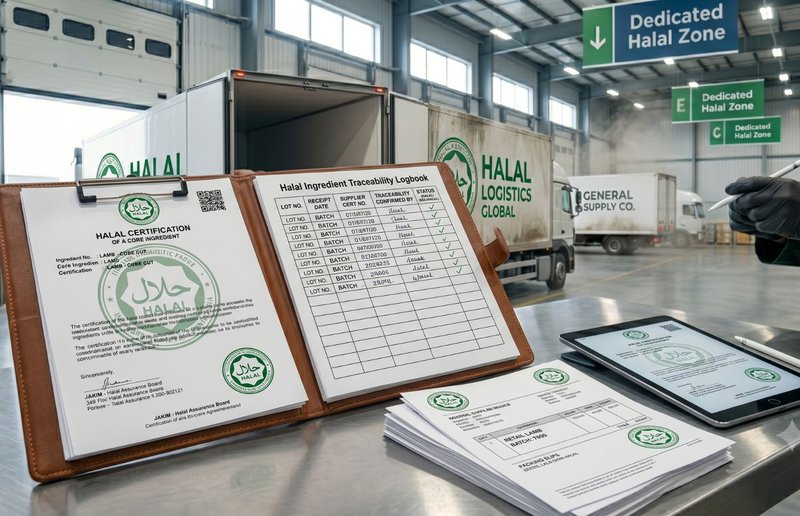
Several verification tools commonly strengthen traceability and supplier oversight within certification frameworks:
- Approved supplier programs establish qualification requirements before sourcing authorization decisions.
- Ingredient specification reviews confirming composition details and supporting compliance documentation.
- Batch traceability records link incoming materials with finished production activities.
- Change notification procedures identifying sourcing modifications before manufacturing operations begin.
- Internal audits evaluating documentation accuracy and overall traceability system effectiveness.
Verification activities help organizations identify discrepancies before affecting certified production programs. Manufacturers pursuing certification often maintain detailed records supporting ingredient reviews and supplier oversight. Halal Transactions of Omaha evaluates documentation and traceability information during certification assessments, helping support sourcing transparency and compliance objectives.
Traceability systems also support faster responses when supplier information requires verification. Strong records improve communication among procurement, quality assurance, and compliance teams. Greater visibility supports informed decision-making across sourcing and certification activities.
Integrating Risk Assessment Into Daily Manufacturing Operations
Risk assessment works most effectively when integrated into routine operational activities consistently. Annual reviews alone rarely provide sufficient visibility within changing sourcing environments. Instead, ongoing monitoring supports timely responses whenever procurement conditions change unexpectedly.
Procurement teams frequently collaborate with quality personnel during ingredient approval evaluations. Cross-functional reviews help identify sourcing concerns before materials enter production systems. Consequently, ingredient risk becomes easier to manage through coordinated oversight efforts.
Traceability research consistently identifies information visibility as an important supply chain element. Strong traceability systems support tracking material origins, processing histories, and supplier activities. Therefore, organizations strengthen compliance efforts through continuous verification and documentation management.
Risk-based approaches help prioritize oversight toward materials presenting elevated compliance concerns. Organizations can focus resources according to supplier history or formulation complexity. Such prioritization supports efficient oversight while maintaining operational flexibility and stability.
Strengthening Compliance Through Effective Ingredient Risk Management
Ingredient risk management requires continuous attention because sourcing conditions regularly evolve globally. Effective oversight combines supplier communication, documentation controls, traceability systems, and reviews. As a result, organizations support operational stability while maintaining compliance objectives.
Managing ingredient risk successfully depends upon proactive evaluation rather than corrective responses. Consistent verification activities strengthen transparency while supporting reliable production outcomes. Ingredient risk becomes more manageable when oversight systems evolve alongside sourcing requirements.
Halal Transactions of Omaha works with manufacturers and suppliers, evaluating sourcing controls, documentation systems, and certification requirements. Their technical expertise helps organizations identify vulnerabilities, strengthen compliance processes, and maintain approved ingredient sourcing strategies. Manufacturers seeking guidance on certification programs or supply chain compliance can contact Halal Transactions of Omaha for technical support and practical recommendations.


Comments are closed