
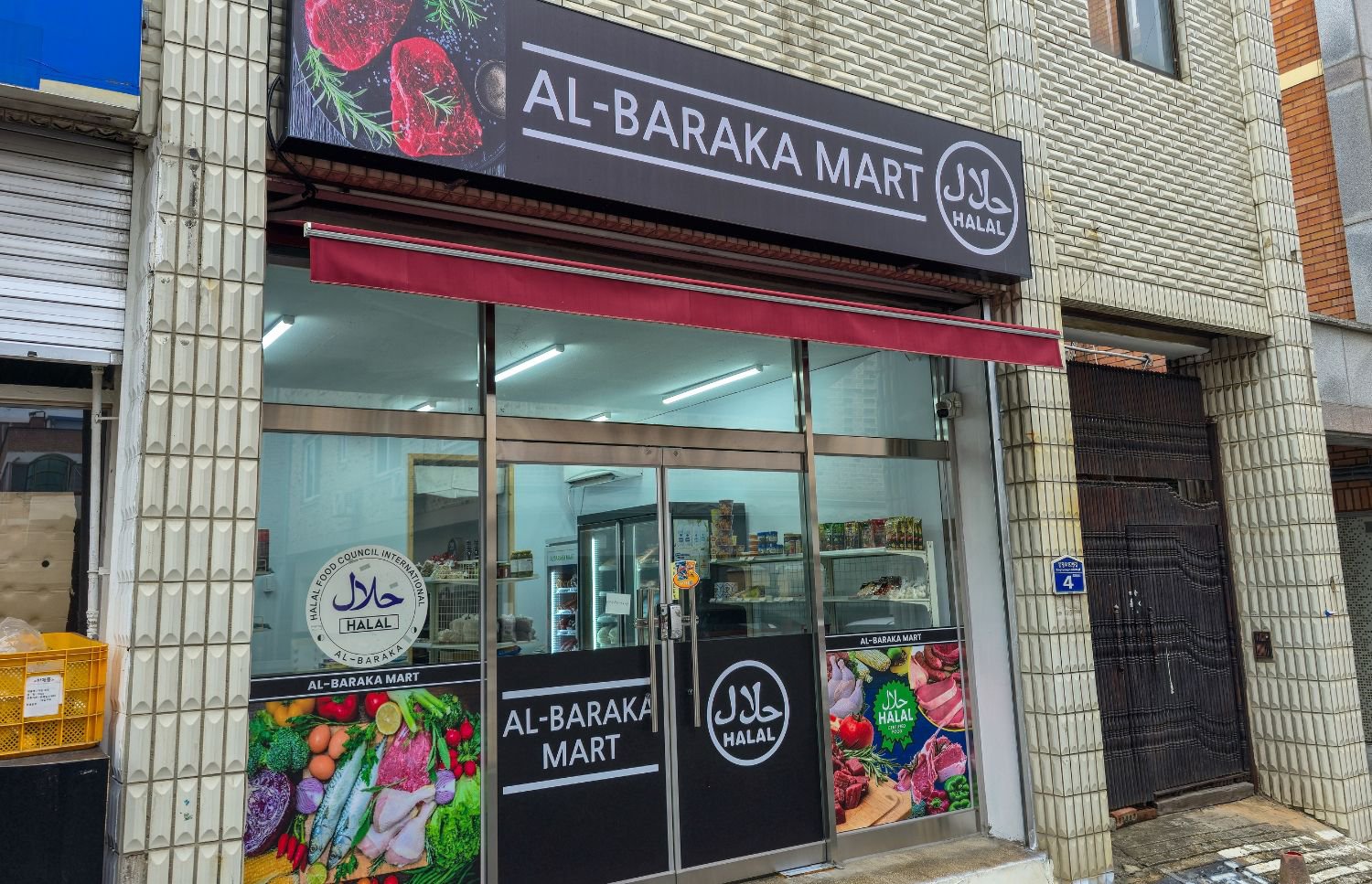
Consumer purchasing habits continue reshaping manufacturing priorities across food production industries throughout the United States. Growing consumer awareness fuels sustained expansion across North American Halal markets and international trade opportunities. Manufacturers increasingly recognize certification readiness as an important factor supporting long-term commercial growth.
Retail buyers increasingly evaluate production systems before approving products for regional or international distribution. Reliable supplier qualification and documented manufacturing practices strengthen confidence throughout complex commercial supply networks. Understanding these expectations helps businesses compete successfully while expanding into valuable emerging consumer segments.
Shift in North American Halal Markets
Recent economic studies demonstrate substantial growth within diverse demographic segments purchasing specialized products. Spending across global Islamic economy sectors reached approximately 2.43 trillion dollars in 2023, projected to hit 3.36 trillion by 2028. Furthermore, the halal food market alone is valued at approximately 2.24 trillion dollars in 2026. Production planning must keep pace with accelerating demand shaping North American Halal markets.
Retailers continue expanding product selections to address increasing consumer interest across diverse purchasing categories. Manufacturers increasingly pursue recognized certification to satisfy retailer and distributor qualification requirements. These efforts strengthen commercial opportunities across domestic and international distribution networks.
Demographic changes continue influencing purchasing priorities across grocery, ingredient, and food manufacturing industries. Accordingly, manufacturers benefit from evaluating product portfolios alongside evolving consumer preferences. Early planning supports sustainable expansion while reducing future production adjustments.
Export opportunities continue expanding alongside stronger demand from established and emerging Muslim consumer populations. Regional distributors increasingly favor suppliers demonstrating dependable manufacturing practices before approving commercial partnerships. Forward-looking investment helps organizations respond efficiently as market expectations continue evolving.

Operational Systems for Quality Assurance
Quality assurance managers evaluate production workflows to maintain reliable processing conditions throughout manufacturing operations. Clearly documented procedures simplify internal reviews while supporting preparation for independent certification assessments. Well-managed production controls improve product consistency across every manufacturing stage.
Manufacturers generally implement several essential protocols to maintain regulatory compliance during processing:
- Standardized sanitation practices prevent cross-contamination between different product lines during daily operations.
- Rigorous raw material inspections confirm the status of ingredients arriving at facilities.
- Independent third-party audits validate the integrity of overall processing methodologies within plants.
- Regular employee training programs reinforce compliance protocols across the entire production floor.
- Accurate batch records track components throughout the supply chain systematically to ensure safety.
These practices strengthen manufacturing reliability while supporting consistent production across changing operational conditions. Halal Transactions regularly advises manufacturers developing practical systems supporting recognized certification requirements. Effective quality management also improves readiness for domestic retailers and international export opportunities.
Sourcing Compliant Raw Materials Carefully
Reliable ingredient sourcing begins with careful evaluation of suppliers before purchasing materials for production. Procurement teams verify supporting documentation while confirming suppliers consistently satisfy established sourcing expectations. Strong supplier relationships reduce disruptions affecting production schedules and finished product integrity.
Ingredient origin requires careful review before materials enter regulated food manufacturing environments. Manufacturers evaluate processing methods alongside supporting records before approving materials for commercial production. This approach reduces uncertainty when introducing new ingredients into existing product formulations.
Documentation supporting formulation changes helps quality teams complete internal reviews with greater efficiency. Likewise, organized records simplify certification activities involving new suppliers or modified manufacturing processes. Halal Transactions provides technical guidance, helping organizations strengthen supplier approval procedures through practical evaluation methods.
Routine supplier assessments identify unexpected changes before they affect manufacturing consistency or certification status. Ongoing communication encourages suppliers to maintain dependable production practices supporting approved material specifications. Careful sourcing remains essential for organizations expanding within North American Halal markets.
Expanding Distribution Across North American Halal Markets
Entering additional distribution channels requires careful planning across production, packaging, and certification activities. Verified products frequently receive stronger consideration from retailers serving diverse consumer populations. Manufacturers also benefit from understanding distributor expectations before introducing products into North American Halal markets.
Organizations often strengthen distribution opportunities through several practical approaches:
- Building retail partnerships serving established Muslim consumer communities.
- Presenting recognized certification during distributor qualification and procurement discussions.
- Participating in regional trade exhibitions connecting manufacturers with commercial purchasing representatives.
- Coordinating dependable logistics supporting product availability across multiple distribution regions.
- Monitoring regulatory developments affecting domestic and international market access.
These strategies help manufacturers strengthen commercial relationships across competitive retail and wholesale environments. Halal Transactions assists organizations in preparing practical certification programs supporting broader distribution opportunities through recognized compliance.

Strategic Traceability in Food Production
Modern production technology allows manufacturers to monitor ingredients and finished products throughout processing activities. Digital tracking systems capture important manufacturing information supporting product verification during routine operations. Automated records improve accuracy while reducing unnecessary administrative burdens across production facilities.
Effective traceability also strengthens recall preparedness when manufacturers respond to unexpected product safety concerns. Peer-reviewed research finds that digital traceability records cut the time to trace a product from weeks to minutes during food safety crises. Clearly organized records help quality teams identify affected production batches with greater precision. Faster response times reduce operational disruptions while protecting commercial relationships.
Production facilities separate ingredients, equipment, and processing activities to preserve manufacturing integrity throughout operations. Careful facility design supports controlled workflows while reducing opportunities for unintended material mixing. These practices reinforce confidence in North American Halal markets through dependable production management.
Continuous performance reviews identify improvement opportunities supporting stronger manufacturing outcomes over extended operating periods. Production data helps management refine workflows while maintaining consistent operational performance across facilities. Investment in traceability strengthens long-term manufacturing resilience and certification readiness.
Building Sustainable Growth Through Trusted Certification
Manufacturers serving North American Halal markets combine dependable production practices with consistent certification readiness every day. Reliable sourcing, quality management, traceability, and distribution planning collectively strengthen long-term operational performance. These coordinated efforts help organizations compete confidently across evolving domestic and international trade opportunities.
Halal Transactions of Omaha helps manufacturers develop practical certification programs supporting sustainable growth in North American Halal markets. Experienced technical guidance assists organizations in aligning production systems with recognized certification expectations and commercial requirements. Contact the team to learn how practical certification support can strengthen future manufacturing and export objectives.


Comments are closed