

Global consumer demand continues to reshape manufacturing priorities across international food production sectors today. Strategic Halal industry expansion offers manufacturers valuable opportunities to strengthen export competitiveness and market access. Certified production practices increasingly influence purchasing decisions among retailers, distributors, and informed consumers.
Modern manufacturers must evaluate evolving regulatory expectations to maintain consistent operational performance across global markets. Comprehensive traceability systems support dependable quality management while reinforcing recognized certification requirements throughout production. Well-designed operational frameworks position organizations to pursue emerging opportunities with greater confidence and long-term stability.
Driving Forces Behind Halal Industry Expansion
Growing Muslim populations and broader consumer demand continue reshaping manufacturing and international distribution strategies. Increasing demand for certified products actively supports ongoing Halal industry expansion across multiple industries. Many consumers also choose certified products because of stronger confidence in production transparency and ingredient integrity.
Industry research demonstrates how halal certification improves food companies' innovation and market performance. These findings encourage manufacturers to invest confidently in certified production capabilities and supporting infrastructure. As a result, international trade networks continue to create new opportunities for compliant consumer products.
Diversified product categories, including cosmetics and pharmaceuticals, continue expanding alongside established food manufacturing sectors. Rising middle-class populations create additional opportunities for organizations to strengthen operational compliance programs. Well-designed certification frameworks support sustainable participation across increasingly competitive international markets.
Forward-looking manufacturers strengthen compliance programs before entering regulated export markets and regional trade networks. Careful preparation helps processors satisfy operational expectations established by international certification authorities. Long-term success depends upon resilient production systems supporting evolving global market requirements.
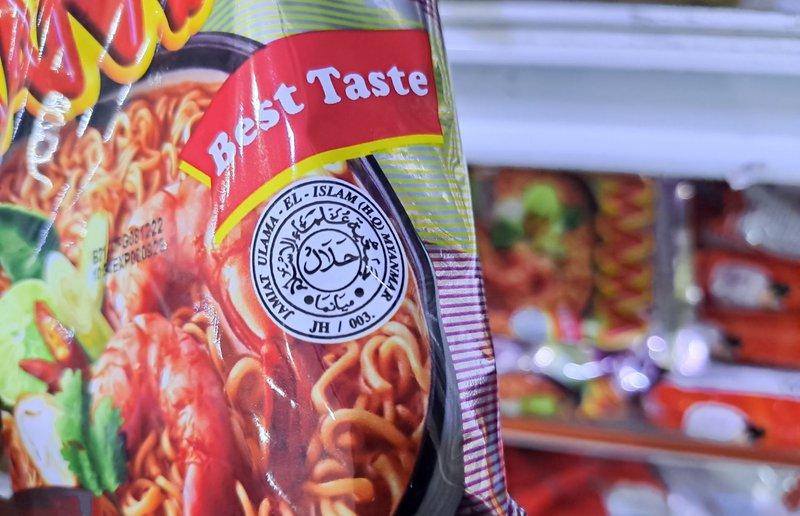
Advanced Traceability Supporting Halal Industry Expansion
Modern manufacturing environments require reliable traceability systems that protect ingredient integrity throughout production processes. Digital tracking technologies improve visibility across increasingly complex international supply chain operations. Companies can verify compliance documentation throughout every stage of manufacturing activities.
Quality assurance teams apply structured monitoring procedures to evaluate raw materials from approved sourcing origins. Documented operational controls strengthen transparency while supporting recognized certification expectations during independent assessments. Comprehensive production records simplify certification reviews conducted by qualified external auditors.
Technology continues to support Halal industry expansion through stronger operational transparency and documented production accountability. Peer-reviewed research finds that combining QR codes and blockchain enhances transparency, reduces traceability fraud, and simplifies halal certification procedures. Transparent production practices strengthen buyer confidence across domestic and international markets.
Detailed production records allow quality teams to identify concerns before products enter commercial distribution channels. Modernized equipment supports manufacturing processes aligned with recognized production and certification expectations. Consistent operational practices reinforce organizational objectives while supporting successful certification outcomes.
Strategic Planning for Global Halal Industry Expansion
Entering international markets requires careful planning alongside dependable production readiness and documented operational controls. Consequently, manufacturers should develop comprehensive strategies addressing changing certification and regulatory expectations. Strong organizational planning helps businesses maintain reliable access across competitive international markets.
Key organizational priorities supporting resilient international production systems include the following practices.
- Conduct thorough ingredient evaluations confirming that incoming raw materials satisfy recognized certification requirements.
- Establish dedicated manufacturing areas preventing unintended contact with nonapproved production materials.
- Provide continuous workforce education supporting consistent handling procedures and documented operational compliance.
- Complete regular internal assessments identifying improvement opportunities before scheduled certification reviews.
- Obtain recognized certification supporting access to regulated international consumer markets.
Applying these measures strengthens long-term operational resilience across expanding international trade environments. Halal Transactions of Omaha helps manufacturers align practical production systems with recognized certification expectations.
Operational Scalability and Sourcing Practices
Reliable sourcing strategies remain essential when manufacturers verify complex raw materials from international suppliers. Fortunately, identifying approved alternatives reduces operational interruptions during changing market conditions. Diverse supplier networks strengthen production continuity while supporting consistent manufacturing performance.
Effective sourcing practices supporting dependable manufacturing operations include the following actions.
- Verify ingredient origins before approving raw materials for production.
- Maintain qualified supplier networks supporting dependable material availability.
- Review processing aids to confirm finished products satisfy certification expectations.
- Standardize documentation procedures for accurate ingredient batch tracking.
- Collaborate with experienced conformity assessment organizations supporting efficient certification preparation.
These structured sourcing practices strengthen Halal industry expansion through dependable manufacturing and supply continuity. Consistent material verification also creates stable production environments supporting long-term operational growth.
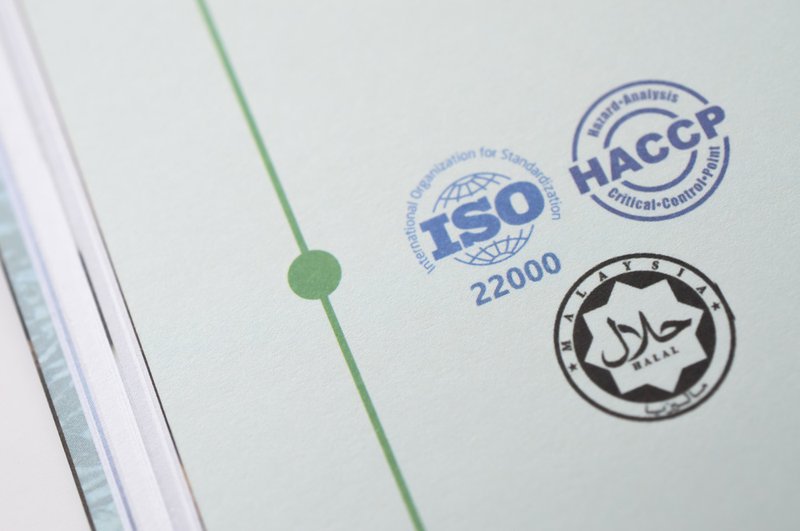
Proactive Certification Management and Compliance Valuation
Early coordination with recognized certification organizations helps manufacturers avoid unnecessary production and export delays. Regulatory expectations continue evolving across international markets serving Muslim consumers and global trading partners. Therefore, manufacturers should maintain adaptable production systems supporting changing certification requirements.
Recognized certification simplifies product acceptance across regulated international markets and commercial distribution networks. Verified compliance strengthens relationships with buyers seeking dependable manufacturing partners worldwide. Organizations lacking documented certification often encounter additional barriers when pursuing regulated export opportunities.
Investment in practical compliance infrastructure continues to support sustainable Halal industry expansion across manufacturing sectors. Qualified compliance professionals oversee critical production controls while maintaining documented operational consistency. Early preparation remains essential for preserving reliable international market access over time.
Well-organized documentation reduces administrative delays during recurring certification reviews and facility assessments. Manufacturers maintaining verified production programs strengthen their competitive position across expanding international markets. Halal Transactions of Omaha provides technical guidance, helping organizations prepare practical certification programs supporting long-term commercial objectives.
Architecting Future Market Longevity
Long-term Halal industry expansion relies upon disciplined planning, operational consistency, and recognized compliance practices. Adaptable business frameworks help manufacturers respond effectively to evolving international market expectations. Strong organizational foundations support lasting competitiveness across regulated global supply chains.
Manufacturers investing strategically today strengthen future opportunities across diverse international consumer markets. Halal Transactions of Omaha supports responsible Halal industry expansion through experienced technical consulting and recognized certification services. Schedule a call with our professional consultants to discuss practical certification solutions supporting sustainable market access and business growth.


Comments are closed