
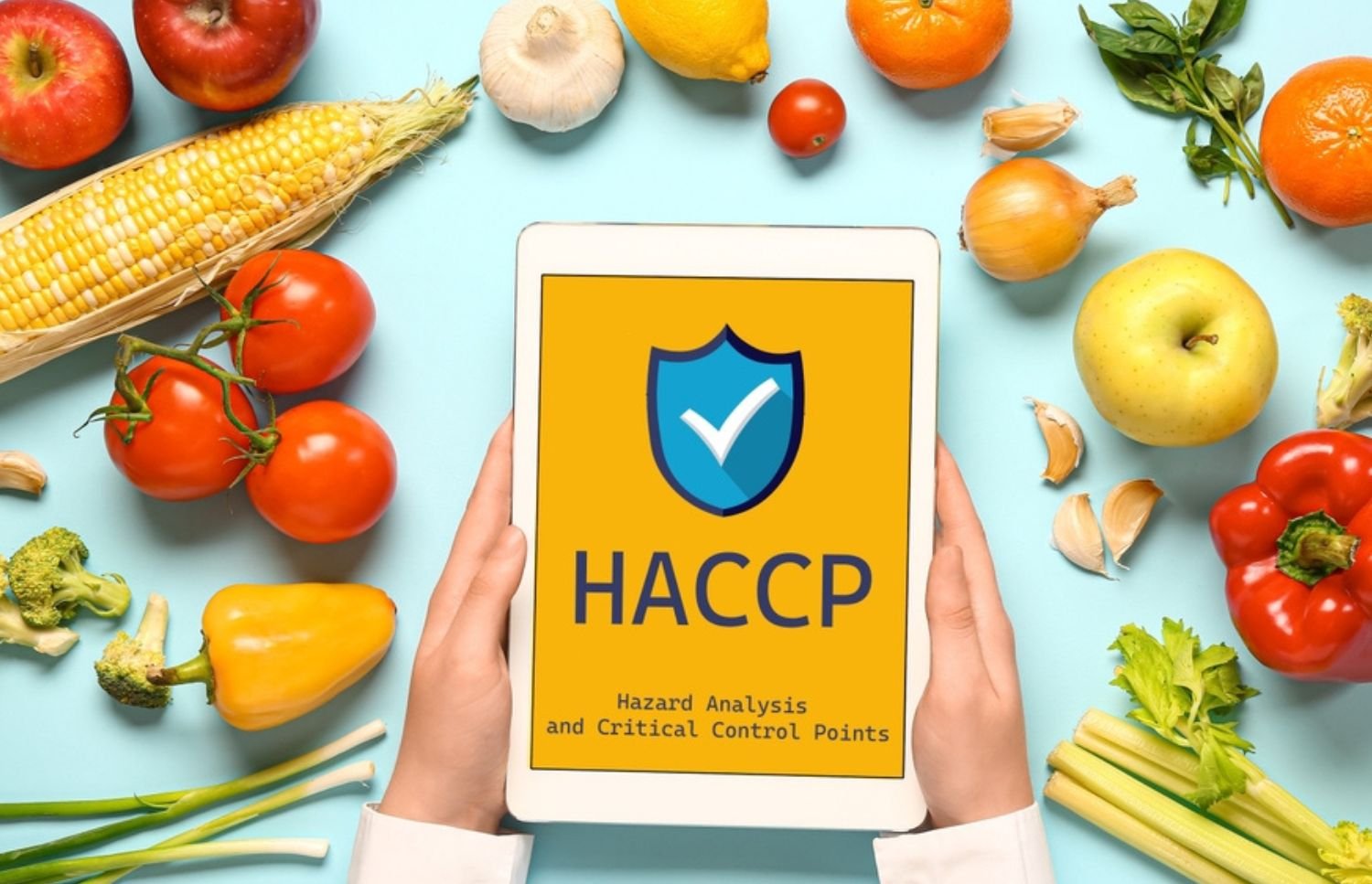
Modern food manufacturing facilities rely on comprehensive management frameworks to maintain consistent safety standards. HACCP integration helps processing companies strengthen compliance measures and build reliable production practices within established systems. These tailored controls give growing operations a foundation for meeting certification requirements across global markets.
Expanding market access requires alignment between existing manufacturing processes and specialized certification standards. Processing plants can meet consumer expectations while maintaining compliance with international trade requirements. Quality teams can maintain established safety controls as their facilities enter new markets and serve a wider range of customers.
Understanding the Foundations of HACCP Integration
Aligning standard food safety protocols with specialized requirements creates an efficient quality framework. Operations teams maintain unified monitoring procedures without building redundant verification tracks from scratch. Existing hazard analysis protocols offer structural models for evaluating material contamination risks.
Quality managers expand standard risk assessments to prevent potential cross-contact with non-compliant materials. Documentation routines within established safety programs accommodate additional compliance monitoring requirements. Manufacturing personnel track critical limits, batch records, and equipment sanitation activities every day.
Peer research demonstrates that integrated management frameworks can improve operational efficiency. Structural alignment reduces unnecessary friction while protecting product compliance targets across facilities. Applying these principles to existing frameworks ensures consistent oversight throughout manufacturing operations.
An industry report reports that global Muslim spending on food reached US$1.53 trillion. Quality managers present unified compliance documentation during routine external audits and facility inspections. Streamlined procedures help maintain operational consistency while supporting long-term commercial growth objectives.

Sourcing Raw Materials Through HACCP Integration Procedures
Raw material approval processes represent a critical control point for all food manufacturing operations. Purchasing departments collect detailed supplier certificates for every processing aid and complex ingredient. Material specifications should identify the origin of secondary additives, flavorings, and carrier agents.
Sourcing protocols must cover every component to ensure full regulatory compliance:
- Purchasing agents collect verified supplier documentation for every incoming processing aid and raw additive.
- Quality assurance managers evaluate complex ingredient specifications to confirm origin and raw material purity.
- Supplier auditing protocols verify that external vendors maintain strict production standards across all facilities.
- Material quarantine procedures isolate unverified incoming inventory until documentation reviews pass full internal inspection.
- Receiving logbooks capture batch identification numbers to maintain clear historical records for every raw material.
Executing targeted HACCP integration helps plant supervisors establish physical separation and dedicated storage areas. Standardized material receiving workflows prevent unverified components from entering active plant processing lines.
Production Line Segregation and HACCP Integration Traceability Protocols
Executing structured segregation controls prevents accidental contact between distinct material streams during manufacturing. Plant supervisors rely on disciplined operational procedures to preserve batch integrity during processing. Quality managers enforce physical boundaries to isolate specialized production lines within shared processing environments.
Effective segregation relies on five essential operational practices within the processing environment:
- Facility managers establish distinct physical or temporal boundaries for specialized production runs within plants.
- Production scheduling software helps plant coordinators separate processing batches to eliminate accidental contact between runs.
- Dedicated sanitation protocols require thorough cleaning procedures between distinct product formulation cycles across shifts.
- Clear labeling guidelines protect raw ingredients from improper handling during internal plant transport and storage.
- Digital inventory systems monitor batch movements from raw storage through final packaging steps without exception.
Implementing structured operational guidelines safeguards product integrity across every active manufacturing processing stage. Systematic HACCP integration simplifies comprehensive auditing workflows while protecting batch integrity for plant managers.
Establishing Corrective Action and Verification Protocols
FDA regulations require written corrective action procedures whenever preventive controls are not properly implemented. Quality managers define containment procedures for non-compliant ingredients entering active processing streams. Incident reporting formats allow plant personnel to document deviations without creating unnecessary administrative work.
Standard operating procedures must identify personnel authorized to release quarantined material lots. Verification activities include internal audits of sanitation records and processing logbooks. Independent testing confirms whether cleaning protocols remove residual traces from shared machinery.
Training programs ensure line operators understand specific control points during daily manufacturing tasks. Ongoing education builds workplace awareness around process control and compliance. Applying HACCP integration practices in training reinforces accountability throughout the manufacturing facility.
Clear verification measures help quality teams resolve operational issues before distribution. Regular review sessions keep line supervisors aligned on deviation response and containment procedures. Continuous evaluation ensures facility controls remain effective as production volumes increase.

Distinguishing HACCP Requirements From Specialized Compliance
Food safety programs focus on preventing biological, chemical, and physical hazards during production. Specialized compliance reviews evaluate ingredient origins, processing aids, and facility management practices. Federal meat inspectors do not certify religious slaughter requirements, so halal certification remains a separate step.
Distinct documentation tracks remain essential for verifying raw material chains and equipment preparation methods. Third-party reviews provide technical evaluation of complex chemical additives and minor processing ingredients. Independent auditors help manufacturing plants identify compliance gaps within existing operational protocols.
Proper HACCP integration respects the purpose of each quality framework without creating confusion. Facilities can meet regulatory requirements and prepare for commercial markets by maintaining accurate, verified processing records. Separate compliance pathways help ensure that food safety and specialized standards are addressed.
Maintaining defined requirements for each standard prevents misunderstandings during internal and external audits. Quality management teams can demonstrate compliance by maintaining documentation for each framework. Coordination between standards simplifies audit preparation while preserving thorough verification of all requirements.
Practical Alignment Pathways for Recognized Certification
Effective HACCP integration allows processing facilities to align safety systems with specialized market expectations. Proper alignment minimizes administrative burdens while supporting full compliance across active plant processing lines. Successful integration ensures long-term operational efficiency while helping food manufacturers expand global reach.
Halal Transactions of Omaha helps manufacturers and quality assurance teams develop practical compliance programs. Through technical consulting, Halal Transactions of Omaha helps businesses evaluate operations and establish sustainable systems. Contact Halal Transactions of Omaha to align existing production processes with recognized international standards.


No responses yet