
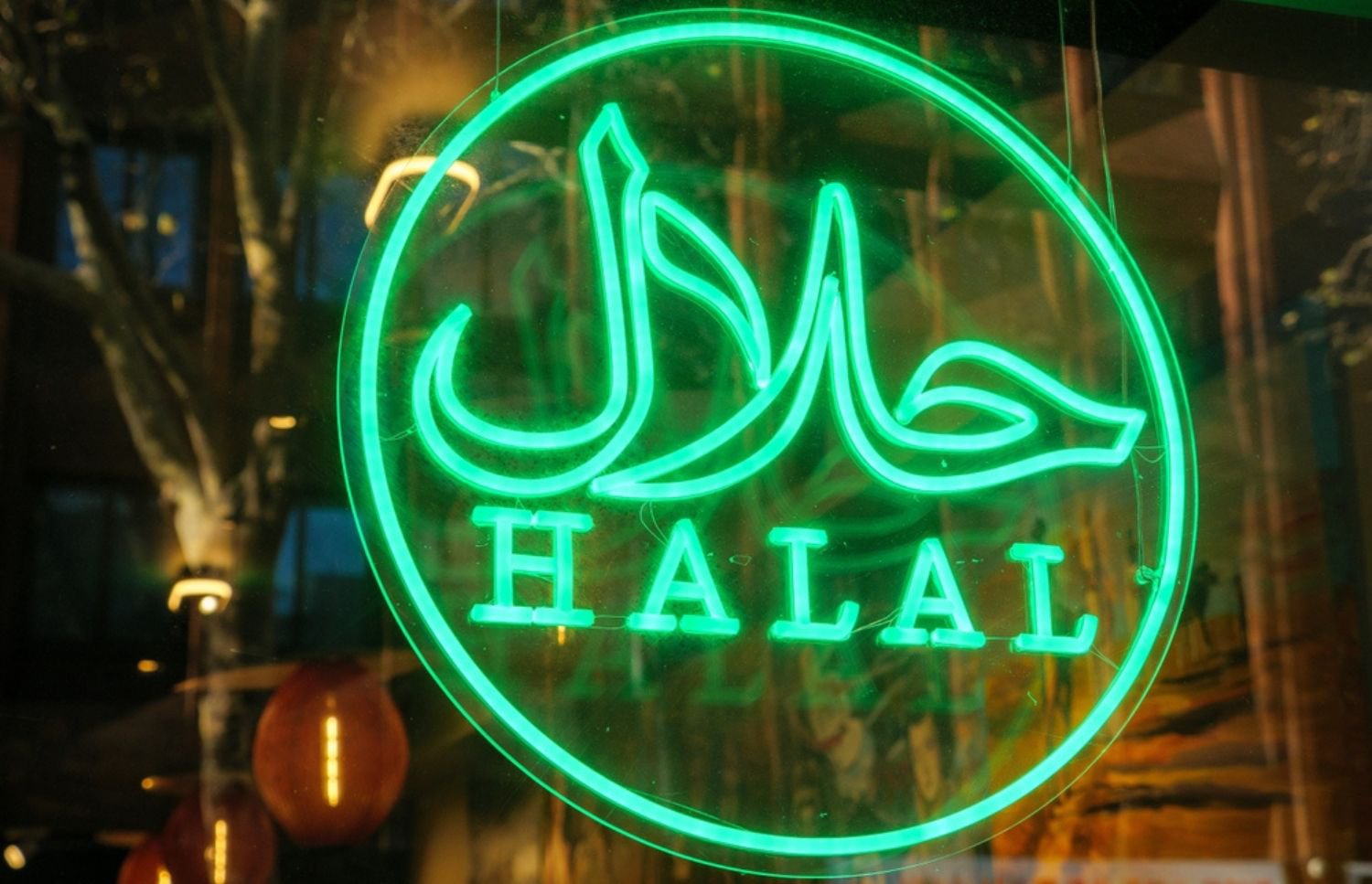
Consumer expectations continue reshaping food manufacturing priorities across established and emerging international markets. Growing consumer demand continues to drive expansion across international Halal food and beverage markets. Food manufacturers must understand these evolving trends to remain competitive across increasingly regulated export environments.
Expanding Muslim populations continue creating new opportunities for certified producers serving international buyers successfully. Reliable production records strengthen recognized certification while supporting confidence throughout manufacturing operations. Well-prepared production systems improve export readiness while maintaining consistent compliance across regulated supply chains.
Demographic Shifts in Halal Food and Beverage Markets
Rising Muslim populations worldwide continue to increase demand for verified consumer food products. Younger consumers actively seek dietary choices that satisfy recognized Halal requirements alongside quality expectations. Producers should understand how demographic trends influence purchasing priorities across expanding retail sectors.
Global Muslim spending on halal food reached 1.53 trillion dollars in 2024, projected to hit 2.06 trillion by 2029. Meanwhile, expanding urban populations improve product availability through modern retail and distribution networks. Manufacturing facilities should adjust production capacity to support growing regional consumption.
Brand confidence strengthens when companies clearly verify ingredient sourcing and production practices through recognized certification. Consumers increasingly value transparency, food safety, and consistent product integrity during purchasing decisions. Developing products for these evolving preferences creates stronger differentiation across competitive retail environments.
Expanding retail infrastructure creates additional opportunities for qualified brands entering international distribution channels. Strategic supply chain investments help businesses respond efficiently to changing purchasing patterns across multiple regions. Long-term growth depends on aligning production capabilities with evolving demographic and market developments.

Supply Chain Transparency Requirements
Ingredient traceability remains essential for companies supplying competitive Halal food and beverage markets worldwide. Procurement teams should carefully verify every incoming material before manufacturing begins to reduce contamination risks. Complete records support certification activities across increasingly complex domestic and international supply chains.
Processing facilities require effective segregation procedures throughout receiving, storage, manufacturing, and packaging operations. Internal audits help verify that sanitation practices and approved processing materials remain consistently compliant. Raw material suppliers should provide documented evidence supporting ingredient compliance and responsible sourcing practices.
Digital traceability systems improve visibility throughout procurement, production, warehousing, and distribution activities. Quality assurance teams identify potential weaknesses before disruptions affect manufacturing consistency or certification outcomes. These practices strengthen organizational credibility while reinforcing customer confidence within Halal food and beverage markets.
Well-documented operating procedures reduce compliance risks during certification reviews and export inspections. Certified manufacturers maintain stronger oversight by continuously evaluating suppliers, production records, and internal controls. Consistent monitoring helps facilities satisfy evolving customer expectations across international food manufacturing operations.
Regulatory Alignment for Global Exporting
International trade frameworks require manufacturers to satisfy destination market certification and documentation requirements carefully. Exporters frequently manage varying regulatory expectations before products enter foreign commercial distribution channels. Understanding regional certification criteria reduces unnecessary shipping delays and customs processing complications.
National accreditation systems establish legal requirements governing imported certified food products across multiple jurisdictions. Quality managers should align manufacturing practices with destination market expectations before export activities begin. Thorough regulatory preparation supports smoother international expansion while reducing avoidable compliance challenges.
Import requirements continue evolving as governments update trade policies and recognized certification procedures. Manufacturers benefit from reviewing changing regulations before shipments leave domestic production facilities. Current documentation remains essential for preserving uninterrupted export eligibility across multiple international markets.
Strong collaboration between quality teams, certification bodies, and regulatory agencies improves customs clearance efficiency. Continuous monitoring of regulatory developments helps manufacturers respond effectively to changing international market requirements. Proper legal alignment supports sustainable participation across regulated Halal trade.
Strategic Advantages in Halal Food and Beverage Markets
Strong operational planning helps modern processing facilities strengthen their competitive position across international industries. Peer-reviewed research finds that halal certification compliance significantly strengthens SME export performance in global markets. Careful evaluation of ingredients, suppliers, and production workflows strengthens audit readiness while supporting reliable export operations.
Manufacturers gain substantial corporate benefits through the execution of recognized auditing programs:
- Enhanced brand equity attracts diverse consumer groups seeking high-quality manufacturing transparency.
- Broadened distribution channels facilitate entry into lucrative domestic and international supermarket networks.
- Improved operational efficiency reduces raw material waste during automated food processing stages.
- Stronger stakeholder confidence supports successful long-term capital investments in facility upgrades.
- Minimizing regulatory legal risks protects corporate brands from unexpected international trade disruptions.
These advantages strengthen business resilience while supporting consistent performance across competitive manufacturing environments. Forward-looking organizations invest in structured compliance programs that improve credibility with buyers and certification authorities.

Operational Readiness and Production Systems
Efficient facility workflows support consistent manufacturing quality while meeting recognized international certification expectations. Technical managers should establish production processes that maintain reliable separation throughout manufacturing activities. Careful implementation strengthens operational consistency while reducing unnecessary compliance risks.
Establishing systematic controls builds an excellent foundation for sustained international commercial growth:
- Designing dedicated production lines prevents accidental cross-contamination with non-compliant ingredients.
- Scheduling consistent sanitation cycles removes ingredient residue between manufacturing production runs.
- Training plant personnel reinforces adherence to documented operating procedures every working day.
- Verifying raw material documentation confirms approved sourcing before manufacturing begins.
- Conducting routine mock recalls validates traceability systems throughout the production process.
Scalable production systems allow manufacturers to increase capacity without compromising documented compliance practices. Reliable quality management supports consistent certification performance despite changing production demands or supplier conditions. These systems also strengthen confidence among customers, regulators, and international trading partners.
Organizations maintaining disciplined production controls remain better prepared for certification renewals and export expansion. Halal Transactions of Omaha supports manufacturers by providing practical technical guidance alongside recognized certification services. Comprehensive preparation strengthens long-term operational performance across Halal food and beverage markets.
Fostering Long-Term Market Access
Long-term success across Halal food and beverage markets depends on consistent operational standards and trusted certification. Manufacturers that strengthen transparency and product integrity improve buyer confidence across regulated export destinations. These practical efforts create lasting advantages as international demand continues evolving.
Halal Transactions of Omaha provides certification services and technical consulting that support manufacturers pursuing recognized Halal standards. Experienced guidance helps organizations prepare for audits, strengthen operational consistency, and expand confidently into new export opportunities. Reach out to Halal Transactions of Omaha to discuss your certification goals and long-term market objectives.


Comments are closed