
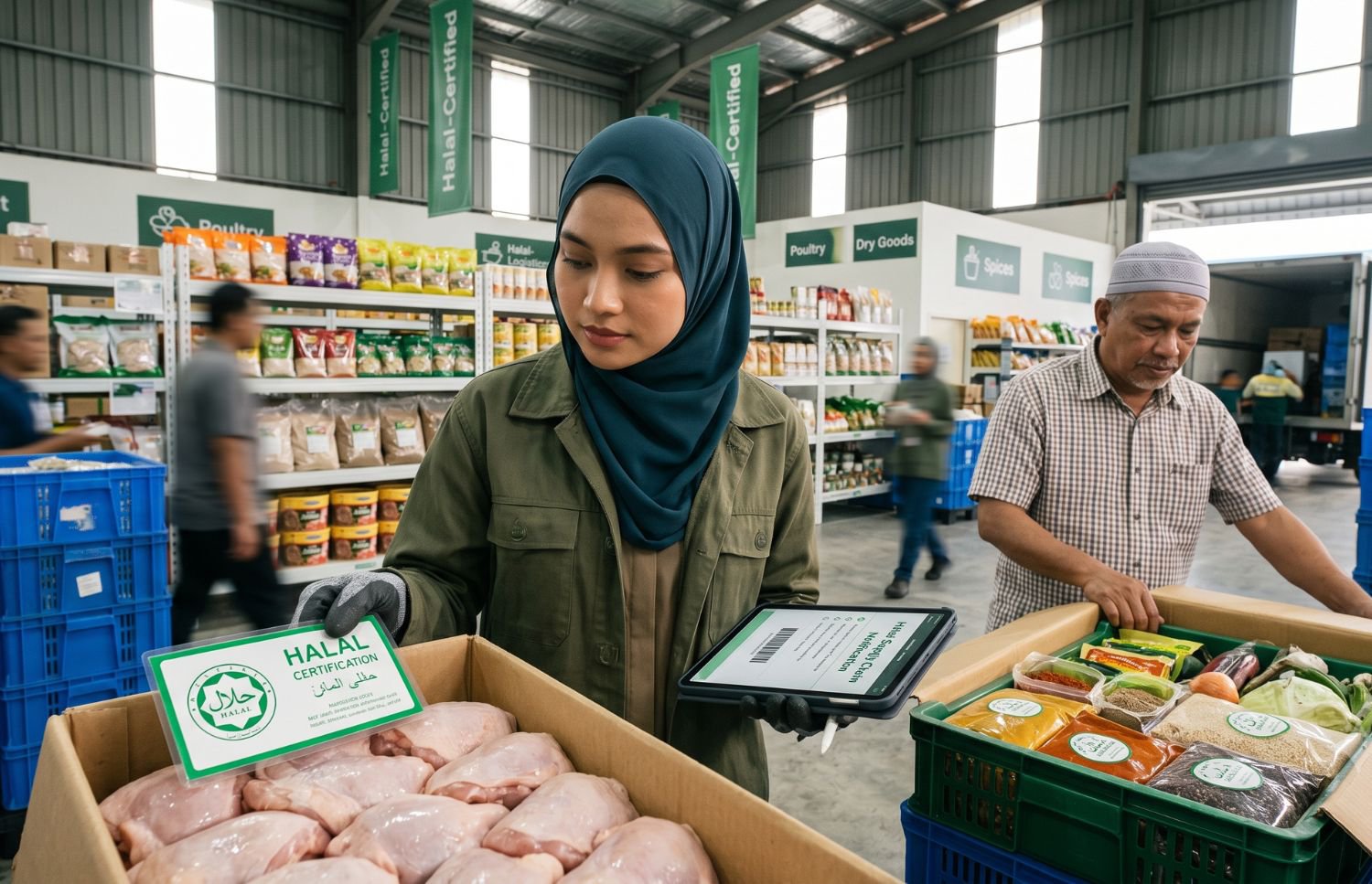
Modern manufacturers increasingly depend on verified halal-compliant ingredients to support consistent production across multiple markets. As certification expectations grow, sourcing teams are placing greater emphasis on structured controls, documentation systems, and supplier accountability. Well-designed sourcing programs help reduce operational uncertainty while reinforcing broader compliance goals.
International trade networks add another layer of complexity to ingredient sourcing and verification. Procurement teams are responding by strengthening traceability systems that support certification requirements and production continuity. In many cases, strong supplier relationships also lead to more stable supply performance and fewer disruptions over time.
Why Halal-Compliant Ingredients Support Strong Production Programs
Reliable ingredient sourcing plays a central role in effective compliance systems. Production depends on approved materials that meet documented requirements before entering controlled environments. When sourcing is consistent, manufacturers are better able to avoid delays and maintain steady certification alignment.
Compliance extends beyond finished goods and into every component used during manufacturing. Ingredients such as processing aids, flavor systems, emulsifiers, and specialty compounds often require additional review before approval. For this reason, procurement teams benefit from clearly defined approval workflows that support ongoing halal-compliant ingredient standards.

Growing demand across international Halal markets continues to increase focus on sourcing controls. Recent market analysis projects the global Halal economy could reach approximately $9.50 trillion by 2030. Manufacturers increasingly view ingredient verification as part of broader market access planning.
Quality assurance teams frequently work alongside procurement during ingredient reviews to ensure alignment. This collaboration improves communication around supplier updates, certification changes, and formulation adjustments. It also helps identify potential sourcing issues early, before they affect production schedules.
Supplier Verification and Documentation Requirements
Supplier qualification is typically one of the first steps in any structured sourcing program. Before ingredients are approved for production, manufacturers must confirm that documentation supports compliance requirements. Organized records also make internal reviews and certification audits more efficient.
Ingredient approval programs generally include several key verification steps:
- Reviewing current certification documents issued by recognized certification bodies
- Confirming that ingredient specifications match approved sourcing requirements
- Evaluating supplier change management processes for formulation or production updates
- Maintaining written records of all compliance-related communication
- Verifying certification validity periods, including expiration and renewal dates
These steps help reduce uncertainty when sourcing from multiple suppliers. Procurement teams benefit from having standardized review processes that support consistent decision-making. Documentation also provides clearer visibility into supplier practices, especially when aligned with frameworks supported by Halal Transactions of Omaha.
Ongoing recordkeeping strengthens coordination between procurement, quality assurance, and production teams. Centralized systems improve access during audits, inspections, and customer inquiries. This level of organization supports better oversight across increasingly complex supply chains
Managing Specialty Ingredients and Complex Formulations
Specialty ingredients often introduce additional sourcing challenges that require deeper technical review. Many composite materials contain subcomponents sourced from different suppliers and production environments. Because of this, approval processes tend to be more detailed than those used for standard raw materials.
Formulation complexity increases when suppliers change sourcing inputs or manufacturing methods. Even minor adjustments can affect certification status, even if product performance remains unchanged. For this reason, ongoing supplier communication is essential throughout the lifecycle of halal-compliant ingredient sourcing.
Manufacturers in sectors such as beverages, pharmaceuticals, nutrition, and cosmetics often face added layers of review. Ingredient declarations may need clarification around carriers, solvents, stabilizers, or encapsulation materials. Technical documentation plays an important role in helping procurement teams evaluate these complexities accurately.
Market growth in the global halal sector continues to drive greater attention toward sourcing controls. As commercial demand expands, organizations are placing more focus on ingredient verification as part of long-term production planning. This shift is also influencing how sourcing strategies are designed and maintained.
Maintaining Traceability for Halal-Compliant Ingredients Throughout Supply Chains
Effective traceability systems strengthen oversight across sourcing, receiving, storage, and production activities. Accurate records support verification efforts whenever certification reviews or customer inquiries occur. Traceability improves visibility regarding supplier performance and material movement histories.
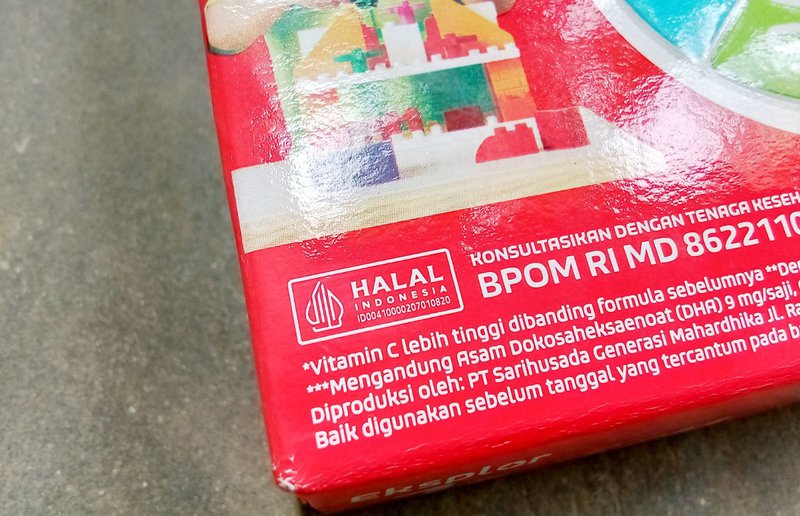
Strong traceability programs generally incorporate several operational controls:
- Assign unique lot identifiers supporting material tracking throughout production activities.
- Maintain receiving records linking shipments with approved supplier documentation.
- Document inventory movements between storage areas and manufacturing locations.
- Record formulation usage supporting finished product traceability and verification efforts.
- Establish retention procedures preserving sourcing documentation during required review periods.
Digital recordkeeping systems increasingly support traceability objectives across modern manufacturing environments today. Electronic documentation improves retrieval speed during audits and certification review activities. Integrated systems can help reduce administrative errors affecting documentation accuracy.
Cross-functional collaboration strengthens traceability performance throughout ingredient management and production operations. Procurement, quality assurance, warehousing, and production teams each contribute valuable oversight responsibilities. Organizations maintain stronger operational alignment supporting certification expectations and customer requirements.
In many structured sourcing programs, technical guidance from organizations such as Halal Transactions of Omaha supports alignment between traceability systems and certification requirements.
Strengthening Supplier Oversight and Risk Management
Supplier oversight does not end after initial qualification. Ongoing monitoring is necessary to identify emerging risks before they affect production. Continuous engagement also encourages greater transparency across supplier relationships.
Regular supplier evaluations help assess documentation quality, responsiveness, and overall compliance performance. Common indicators include certification maintenance, communication reliability, and delivery consistency. When issues arise, corrective actions help address them before they escalate into operational disruptions.
Alternative sourcing strategies can help maintain continuity when primary suppliers experience disruptions. Secondary suppliers provide flexibility during transportation delays or market fluctuations. This approach supports resilience without compromising compliance standards.
Risk assessments are used to prioritize oversight efforts based on ingredient complexity and criticality. Higher-risk materials may require more frequent documentation reviews and closer supplier communication. This allows organizations to focus resources where they are most needed.
Building Reliable Sourcing Programs for Long-Term Market Access
Strong sourcing programs bring together supplier verification, documentation management, traceability, and ongoing oversight. Reliable halal-compliant ingredients support consistent production while reducing compliance uncertainty across supply networks. Over time, this strengthens operational stability and supports broader market access goals.
As halal markets continue to expand, ingredient sourcing is becoming a core part of long-term certification strategy. Strong systems improve transparency, reduce disruptions, and reinforce supplier accountability. For many organizations, this shift is essential to scaling operations effectively.
Halal Transactions of Omaha supports manufacturers, processors, and suppliers through certification services and technical guidance. Their expertise in supplier verification, documentation systems, and compliance frameworks helps organizations strengthen practical implementation. Companies exploring certification pathways can engage with Halal Transactions of Omaha for further support.


Comments are closed