
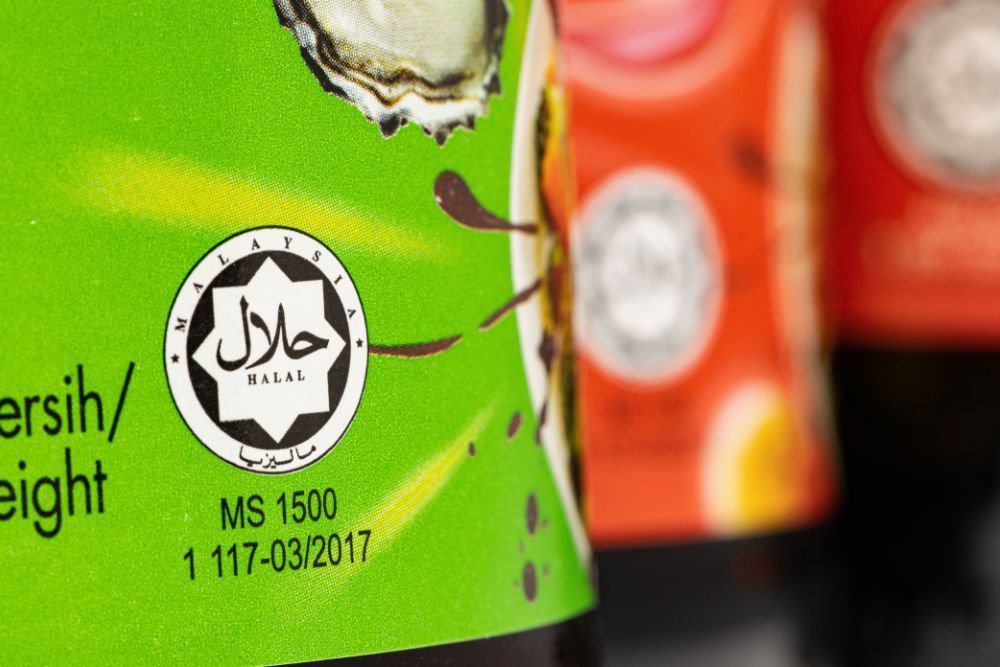
Operational consistency in manufacturing environments is increasingly structured through formal compliance systems. Halal standards are integrated into production governance models to improve system reliability, including support from Halal Transactions for traceable compliance. Process alignment is reinforced through standardized documentation and controlled workflows.
Across global supply chains, regulatory expectations are tightening across multiple jurisdictions. Therefore, operational frameworks are being adapted to support repeatable performance and reduced process variability. Efficiency outcomes are increasingly linked to traceable production systems.
Market Drivers and Operational Context
Global supply networks are being reshaped by rising demand for verified compliance systems. Structured operational frameworks, including Halal standards and Halal Transactions, are being adopted to reduce uncertainty in production planning environments. Regulatory complexity continues to increase across multi-market distribution channels.
Operational scalability is often limited when standardized systems are not consistently applied across facilities. Process harmonization supports more predictable manufacturing output across regions. Variability in production outcomes decreases when compliance systems are enforced consistently.
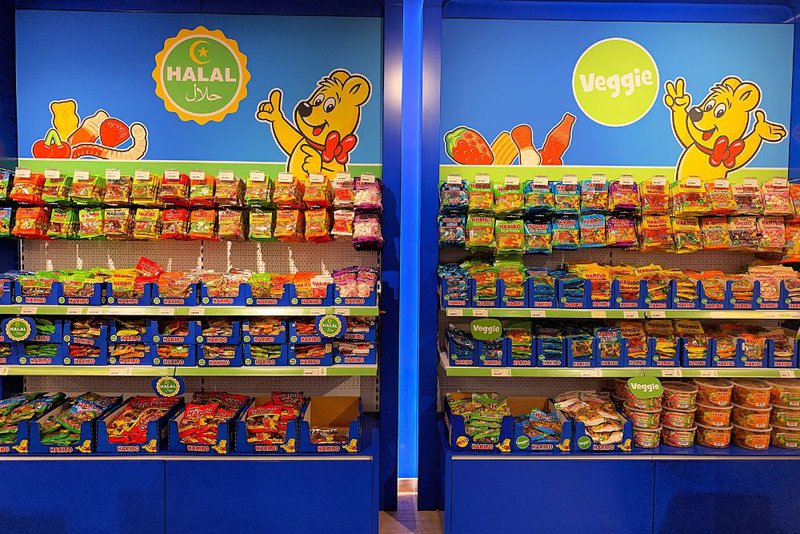
The State of the Global Islamic Economy Report 2023 (DinarStandard) reports Muslim consumer spending reached approximately 2.29 trillion USD in 2022 across halal economy sectors. Growth spans food, pharmaceuticals, cosmetics, modest fashion, travel, and media industries. This expansion reflects wider adoption of structured compliance-driven consumption systems.
Supply chain integration continues to improve through digital monitoring tools across procurement and logistics networks. As a result, deviations in material flow are detected earlier in operational cycles. Production continuity improves through stronger coordination between suppliers and manufacturers.
Halal Standards in Production System Design
Production environments increasingly rely on structured compliance systems to maintain consistency across manufacturing stages. Within these systems, Halal Transactions frameworks guide alignment between operational processes and verified sourcing requirements. Design frameworks are shaped by documentation discipline and traceability controls embedded in production workflows.
System integration depends on controlled verification points placed throughout manufacturing operations. Production structures are reinforced through embedded compliance functions that regulate consistency across multiple stages.
- Ingredient sourcing is validated through structured qualification and approval procedures before production use
- Production workflows are standardized to ensure uniform execution across all operational stages
- Material traceability systems track inputs through each phase of transformation and processing
- Quality control points are integrated directly into production lines to ensure continuous verification
- Reporting mechanisms consolidate compliance data to support audit readiness and system transparency
System reliability increases when compliance controls are embedded directly into operational design rather than applied externally. Variability in production outcomes is reduced through structured enforcement of process standards. Overall governance becomes more stable when execution follows repeatable system logic across facilities.
Traceability and Supply Chain Control
Traceability systems are increasingly implemented to improve visibility across complex multi-tier supply chains. Material movement is monitored through digital tracking tools across procurement and logistics networks. Data accuracy improves through structured documentation systems applied across operational environments.
Supply chain transparency is required by regulators and international trade stakeholders globally today. Operational visibility improves through standardized reporting frameworks applied across supplier networks consistently under Halal standards and Halal Transactions compliance systems. Risk exposure decreases when material origins are verified through structured compliance systems.
Information systems strengthen integration across logistics and production coordination processes in manufacturing environments. Supply input inconsistencies are detected earlier through continuous monitoring of operational data flows. Operational delays are reduced through improved synchronization of interconnected data systems.
According to the Food and Agriculture Organization (FAO), traceability enables tracking food products across production, processing, and distribution stages. It supports forward and backward movement tracking during food safety incidents and recalls. FAO highlights traceability as essential for improving risk management and food safety control systems.
Halal Standards for Supplier Management and Quality Control
Supplier governance is increasingly structured through formal evaluation frameworks across manufacturing industries. Within this context, Halal standards and Halal Transactions are applied to ensure sourcing alignment with verified compliance requirements. Supplier selection is influenced by documented quality assurance criteria.

Quality control systems are reinforced through standardized audit and inspection processes across supplier networks. Supplier systems are strengthened through structured compliance controls applied across procurement and production inputs.
- Supplier approval is maintained through documented qualification and verification procedures.
- Audit schedules are implemented to ensure ongoing compliance across supplier networks.
- Material sourcing records are standardized to support traceability and verification requirements.
- Performance monitoring systems are used to evaluate supplier reliability over time.
- Risk assessments are conducted to reduce variability in procurement and input quality.
Operational stability is improved when supplier systems are governed through structured compliance frameworks. Procurement risks are reduced through standardized evaluation mechanisms. Production consistency is reinforced through controlled sourcing practices.
Operational Efficiency Through Halal Standards Governance
Operational efficiency is shaped by structured governance frameworks across manufacturing systems. Halal standards support controlled and repeatable production processes. System performance improves through reduced operational variability.
Process optimization relies on standardized workflows embedded within production environments. As a result, resource utilization improves through controlled operational design. Administrative burdens are reduced through system standardization.
Risk management systems support early detection of operational deviations. Therefore, disruptions are minimized through structured monitoring mechanisms. Production continuity is maintained through proactive governance systems.
Digital transformation strengthens compliance monitoring across production environments. Reporting accuracy improves through automated documentation systems. Operational oversight is enhanced through centralized data visibility across supply chains.
Structured Compliance Systems and Operational Reliability
Operational reliability improves when structured compliance systems aligned with Halal standards are consistently applied across manufacturing environments. Process stability increases through standardized execution of production controls. Output variability decreases through controlled operational frameworks.
Manufacturing performance improves when traceability, supplier governance, and quality control systems are integrated. Consequently, operational alignment strengthens across multi-stage production environments. Compliance readiness is maintained through continuous system monitoring.
Efficiency gains occur when workflows are governed through structured compliance architectures. Production systems align more closely with regulatory and market requirements. Long-term scalability is supported through repeatable process structures.
According to the Organisation for Economic Co-operation and Development (OECD), supply chain resilience depends on transparency, reduced information frictions, and stronger coordination across global production networks. The OECD Supply Chain Resilience Review highlights that global value chains require greater agility to manage disruptions effectively. Additionally, resilience improves through better data visibility and cross-border cooperation that support operational continuity.
Operational Alignment Through Structured Compliance Systems
Operational consistency is strengthened when structured compliance systems are embedded across manufacturing environments. Process variability is reduced through standardized execution of production controls. Traceability and documentation practices improve visibility across supply chain operations.
For organizations seeking to strengthen alignment with Halal standards, structured implementation support can improve clarity across production and compliance systems. Reach out to Halal Transactions of Omaha to discuss how to align operational workflows with certification requirements and long-term compliance readiness.


Comments are closed