
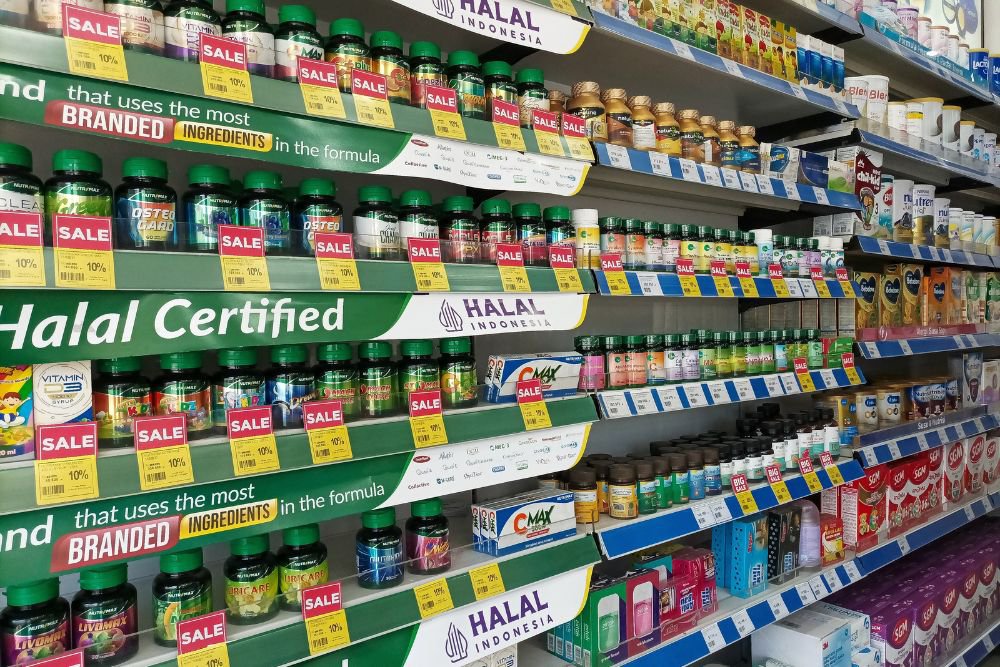
Global trade requirements continue evolving as regulatory expectations increase across food and consumer industries. Producers increasingly implement structured systems where Halal compliance supports alignment with certification requirements. Market access now depends on verifiable standards that demonstrate consistency across sourcing, production, and distribution.
Export-oriented manufacturers face growing pressure to meet documentation, traceability, and verification expectations. As a result, compliance frameworks, including structured Halal Transactions practices, provide measurable assurance across supply chain operations and regulatory checkpoints. Organizations implementing structured programs are better positioned to manage complexity across diverse market environments.
Market Entry Requirements and Halal Compliance
Regulated markets require documented conformity before products are approved for distribution and retail placement. In many regions, Halal compliance functions as a prerequisite for import approval and commercial entry. Consequently, certification frameworks supported by transparent Halal Transactions systems become essential components of cross-border trade eligibility and planning.
Verification processes typically assess ingredient sourcing, production workflows, and segregation controls within facilities. Therefore, manufacturers must maintain structured documentation demonstrating alignment with recognized compliance standards. Without these systems, entry into regulated markets becomes uncertain and operationally restrictive for producers.
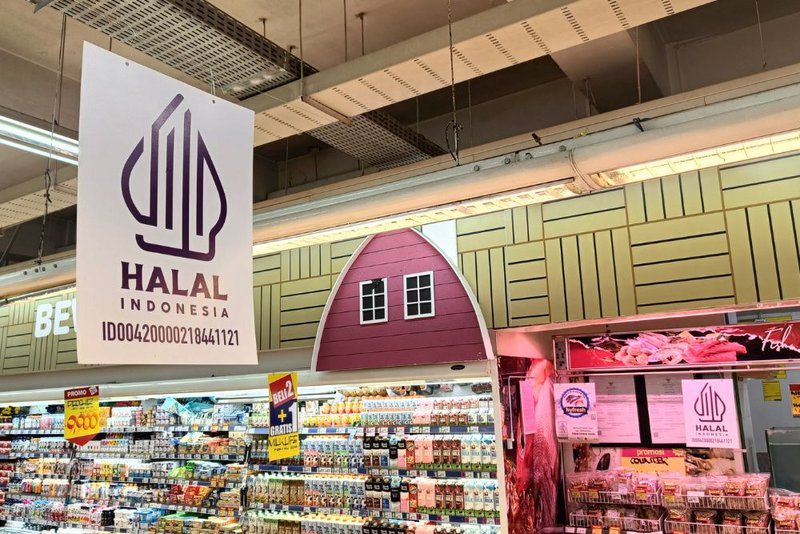
International trade systems increasingly prioritize transparency across food and consumer product supply chains globally. For example, the World Trade Organization emphasizes standardized compliance frameworks that reduce barriers to international trade. Such alignment supports predictable approval processes and reduces delays during import verification procedures.
Industry data reinforces the scale of opportunity linked to compliant production systems across markets. According to the State of the Global Islamic Economy Report, Muslim consumer spending reached approximately $2.29 trillion globally. This sustained demand highlights the importance of certification in accessing both established and emerging markets.
Partnership Eligibility Across Distribution Networks
Global distributors evaluate suppliers based on compliance reliability and documented quality assurance systems. Within this context, Halal compliance strengthens credibility during procurement and supplier qualification processes. As a result, certified producers gain improved access to established distribution and retail networks.
Procurement teams require verification of ingredient integrity and controlled production environments before onboarding suppliers. Structured compliance systems supported by Halal Transactions, a compliance and traceability company, reduce uncertainty during evaluation and approval stages. This alignment connects manufacturer capabilities with distributor expectations across international markets.
Furthermore, consistent certification supports long-term partnerships through repeatable and verifiable operational performance. Distributors prioritize suppliers who demonstrate stable compliance across production cycles and product categories. Such consistency reduces operational risk within complex and geographically distributed supply chains.
As distribution networks expand, compliance becomes a shared requirement across all participating stakeholders. Manufacturers integrating Halal compliance into core systems can meet these expectations more efficiently. This alignment improves coordination between producers, logistics providers, and global distribution partners.
Accessing Diverse Consumer Markets Through Halal Compliance
Consumer demand for certified products continues expanding across both Muslim-majority and minority markets globally. Halal compliance provides a structured framework aligning product attributes with verified consumer expectations. Therefore, producers can reach broader demographic segments without significantly altering core manufacturing systems.
Market expansion extends beyond regional boundaries into global retail and foodservice distribution channels. In addition, certification supports product positioning within markets prioritizing transparency and verified sourcing practices. This increases acceptance across diverse consumer groups with varying regulatory and purchasing expectations.
Research published in MDPI Sustainability indicates certified systems improve perceived product reliability among consumers. Such findings highlight the role of compliance frameworks in influencing purchasing behavior across international markets. This reinforces the connection between verified standards and sustained consumer trust in certified products.
Producers benefit from scalable access to multiple consumer segments through standardized compliance systems. As demand grows, Halal compliance enables consistent positioning across geographically diverse markets and channels. This approach reduces the need for market-specific production adjustments while maintaining regulatory alignment.
Reducing Trade Barriers in Cross-Border Operations
Cross-border trade involves complex verification procedures that vary across regulatory and geographic environments. Halal compliance introduces standardized documentation that simplifies product evaluation during import and clearance processes. Accordingly, manufacturers can navigate regulatory checkpoints with greater clarity and reduced operational delays.
Customs authorities require clear evidence of production integrity and traceability across supply chains. Structured compliance systems, including those provided by Halal Transactions, deliver verifiable records for efficient inspection and approval procedures. This reduces administrative friction while improving predictability within international logistics and distribution operations.

Moreover, standardized certification supports alignment between exporting and importing country requirements effectively. Such alignment minimizes discrepancies that could otherwise disrupt shipment timelines and inventory planning. Manufacturers benefit from improved coordination across regulatory bodies and supply chain stakeholders.
As global trade continues expanding, compliance systems play an essential role in reducing operational uncertainty. Halal compliance contributes to stability by establishing consistent verification frameworks across different markets. This creates a more efficient pathway for manufacturers seeking to scale international distribution operations.
Operational Advantages Supporting Market Expansion
Structured compliance systems influence multiple operational areas within modern production environments. They provide a framework aligning internal processes with external regulatory expectations across markets. The following operational advantages support scalable expansion through Halal compliance:
- Improved traceability across raw material sourcing and supplier verification workflows
- Standardized documentation supporting audit readiness and regulatory inspection processes
- Reduced production variability through controlled and monitored processing systems
- Enhanced coordination between quality assurance, procurement, and production functions
- Greater transparency across supply chains supporting international trade requirements
These advantages contribute to more predictable operational performance across manufacturing systems and supply networks. They also support stronger alignment between internal processes and external certification expectations globally.
Building Scalable Export Systems Through Halal Compliance
Export scalability depends on maintaining consistent compliance across increasing production volumes and markets. Halal compliance provides structured frameworks supporting repeatable processes across facilities and product lines. The following factors enable scalable export operations through compliance integration:
- Centralized compliance protocols applied consistently across production and distribution environments
- Integration of certification requirements into existing quality and safety management systems
- Alignment of documentation practices with international regulatory and trade expectations
- Improved readiness for multi-market audits and certification renewals
- Scalable verification systems supporting expansion into new geographic regions
These factors strengthen the ability to expand operations without compromising compliance integrity or product consistency. When supported by structured systems from Halal Transactions, a company specializing in compliance and traceability solutions, they also reduce operational risk as manufacturers enter increasingly complex international trade environments.
Expanding Market Reach Through Structured Halal Compliance
Halal compliance functions as a structured mechanism enabling consistent participation in global trade systems. It supports alignment between production processes, regulatory expectations, and international distribution requirements. Organizations benefit from improved predictability across supply chain operations and market entry strategies.
Halal compliance also strengthens long-term scalability by embedding verification systems within core operations. Halal compliance ensures expansion into new markets remains aligned with established certification requirements. Organizations seeking structured guidance can connect with Halal Transactions of Omaha to align operations with global standards.


Comments are closed