
Modern production systems operate within structured compliance frameworks across international supply chains. In regulated sectors, Halal certification functions as a standardized verification layer within product development and distribution systems. It supports alignment between ingredient control, manufacturing processes, and documentation requirements.
Demand for structured certification continues to increase across global trade environments. Industry reports consistently note higher reliance on standardized compliance mechanisms in cross-border product movement. As a result, certification requirements are increasingly integrated into early-stage product planning.
Value Contribution of Halal Certification to Product Lines
Halal certification provides a defined compliance structure that aligns product lines with regulated market requirements. It establishes a documented framework for verifying production inputs and processing conditions within Halal Transactions frameworks. Product portfolios operating under certification frameworks show more consistent acceptance within regulated distribution channels.
Certification systems influence how procurement and distribution stakeholders assess product reliability. Supply chain participants rely on standardized documentation to evaluate consistency across suppliers. This reduces variability in sourcing assessments across multi-market operations.

Product line structure becomes more standardized when certification is applied across production systems. This reduces fragmentation between sourcing, formulation, and manufacturing workflows. As a result, product families maintain more uniform compliance profiles across regions.
Long-term product performance in regulated channels is often tied to continuity of certification status. Products with established compliance documentation tend to remain within approved distribution networks for longer operational cycles. This creates stable placement within regulated supply systems.
Halal Certification and Competitive Product Line Positioning
Certification provides a classification framework used within regulated product categories in line with Halal Transactions requirements. It allows manufacturers to segment product lines according to compliance status. This creates clearer differentiation within structured procurement environments.
Retail and distribution systems use certification indicators as part of product evaluation processes. Verified compliance status is one of several factors considered in shelf allocation and category placement. Product consistency across SKUs supports uniform classification.
Alignment between certification requirements and internal quality systems reduces discrepancies during external audits. Procurement entities assess suppliers based on documented consistency across production lines. This affects supplier selection patterns in regulated industries.
When applied across full production systems, Halal certification creates uniform compliance signaling across product portfolios. This reduces variation in how different product categories are evaluated within the same organization.
Halal Certification and Market Expansion for Product Lines
Market access in regulated sectors requires adherence to documented compliance frameworks. Halal certification serves as one such framework used in specific international trade contexts under Halal Transactions guidance. It supports entry into markets with defined import verification requirements.
Cross-border trade systems increasingly rely on standardized certification documentation. These systems reduce the need for repeated verification at each stage of distribution. Certification functions as a recognized compliance reference within these workflows.
Export-oriented procurement systems often require validated compliance documentation before supplier approval. Certified product lines meet predefined criteria for inclusion in these systems. This enables participation in broader distribution networks.
Product movement across regions depends on alignment between certification systems and regulatory expectations. Differences in compliance recognition can affect distribution pathways. Certification reduces variability in acceptance conditions across markets.
Procurement Confidence and Product Line Reliability
Procurement systems evaluate suppliers based on documented compliance structures. Certification provides a standardized reference point for these evaluations. It supports comparison across multiple suppliers within the same category.
Supplier onboarding processes rely on verification of compliance documentation. Certified systems, including Halal certification, reduce the scope of additional validation required during review stages. This affects processing time within procurement workflows.
Audit requirements in regulated sectors depend on traceable documentation. Certification systems contribute to maintaining structured records across production environments. These records are reviewed during supplier qualification processes.
Risk assessment models within procurement frameworks incorporate compliance consistency. Variability in documentation quality can influence supplier classification. Standardized certification reduces discrepancies in evaluation outcomes.
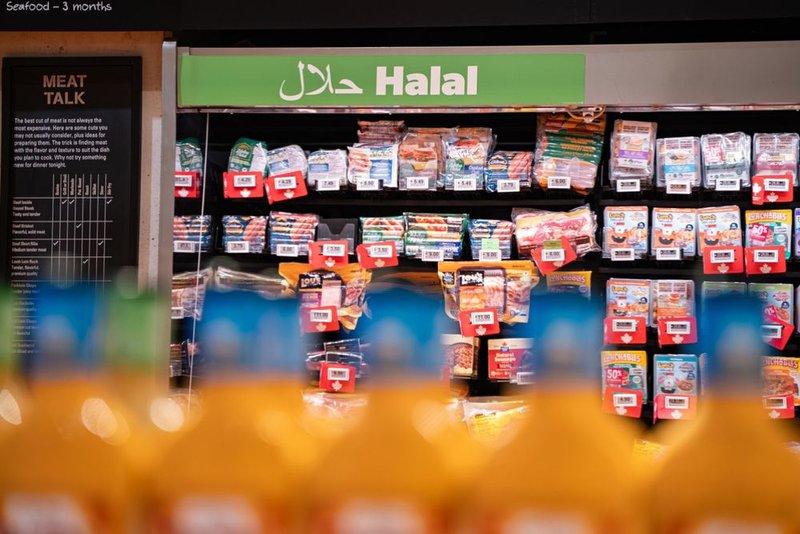
Multi-Category Product Line Consistency
Multi-category production systems require alignment across multiple manufacturing environments. Certification frameworks provide a standardized structure for maintaining consistency across categories such as food, beverage, cosmetics, and pharmaceuticals.
Multi-category product consistency depends on centralized control of sourcing and production inputs.
- Maintains standardized compliance criteria across product categories
- Aligns sourcing requirements across multiple manufacturing lines
- Reduces variation in documentation across SKUs
- Supports uniform audit readiness across systems
- Enables centralized compliance tracking
- Reduces operational differences between product categories
- Improves consistency in regulatory reporting
- Supports coordination across distributed production systems
- Maintains alignment with evolving compliance requirements
- Enables structured expansion across product portfolios
Consistency across product categories is dependent on how certification requirements are implemented across operational layers. When applied uniformly, certification reduces variability in compliance documentation across manufacturing systems. This results in more consistent audit outcomes across product groups.
Strengthening Product Line Value Through Certification Systems
Product line value increases when compliance systems reinforce consistency across manufacturing operations globally today. Halal certification strengthens alignment between production processes and international market expectations. Manufacturers achieve stronger positioning across diversified product portfolios.
Operational integration improves when certification is embedded into structured production systems globally today, including alignment with Halal Transactions frameworks. Product lines benefit from greater consistency across sourcing, manufacturing, and distribution processes. This enhances long-term stability across competitive market environments effectively.
A systematic review of halal supply chain research shows that structured frameworks improve coordination across production, logistics, and distribution through better traceability and standardization. The study also links integrated compliance systems with improved operational efficiency in complex supply chains. These findings support that structured certification guidance aligns product lines with global standards while improving efficiency and product value stability.
Expanding Product Line Value Through Structured Certification
Product line value improves when structured compliance systems support consistent market positioning globally today. Halal certification enhances credibility, differentiation, and market access across diversified product categories. Therefore, manufacturers achieve stronger competitiveness within regulated and international markets.
Long-term portfolio performance depends on alignment between certification frameworks and production systems globally today. As markets evolve, structured compliance supports scalable growth across multiple product lines effectively. Halal Transactions of Omaha provides technical guidance on aligning product lines with certification requirements.
Further evaluation of compliance integration may be required depending on production system complexity and market requirements. Reach out for support in implementing structured compliance across manufacturing systems.
Comments are closed